
Quick Answer: How Do You Maintain a Pond Fountain?
Most floating pond fountains require a simple monthly visual inspection and periodic cleaning. Check that the spray pattern remains even, the fountain stays centered, anchor lines are secure, and the intake screen is free of debris. In ponds with high dissolved mineral content, internal pump cleaning may be required every 1–3 months to prevent performance loss or breaker trips.

A floating pond fountain is designed to operate continuously in outdoor conditions, but regular pond fountain maintenance helps protect the motor, preserve spray performance, and extend overall lifespan. Fortunately, most maintenance tasks are quick and straightforward.
This guide outlines monthly inspections, mineral cleaning recommendations, seasonal checklists, and warning signs that require immediate attention.
Monthly Pond Fountain Maintenance Checklist
These checks can typically be performed while the fountain is running and require no disassembly.
1. Confirm the Spray Pattern Is Even

A properly functioning fountain should produce a consistent, symmetrical spray pattern.
- Reduced spray height
- Uneven or lopsided spray
- Surging or pulsing output
- Visible debris in the spray stream
Sudden performance changes often indicate intake or nozzle buildup.
2. Check That the Fountain Is Centered and Stable
Floating fountains should remain properly positioned within the pond.
- Fountain slowly rotating
- Unit drifting toward shore
- Spray angled differently than usual
- Float leaning unevenly
Movement is typically caused by anchor tension imbalance or shifting stakes.
3. Inspect Anchor Lines, Stakes, and Weights
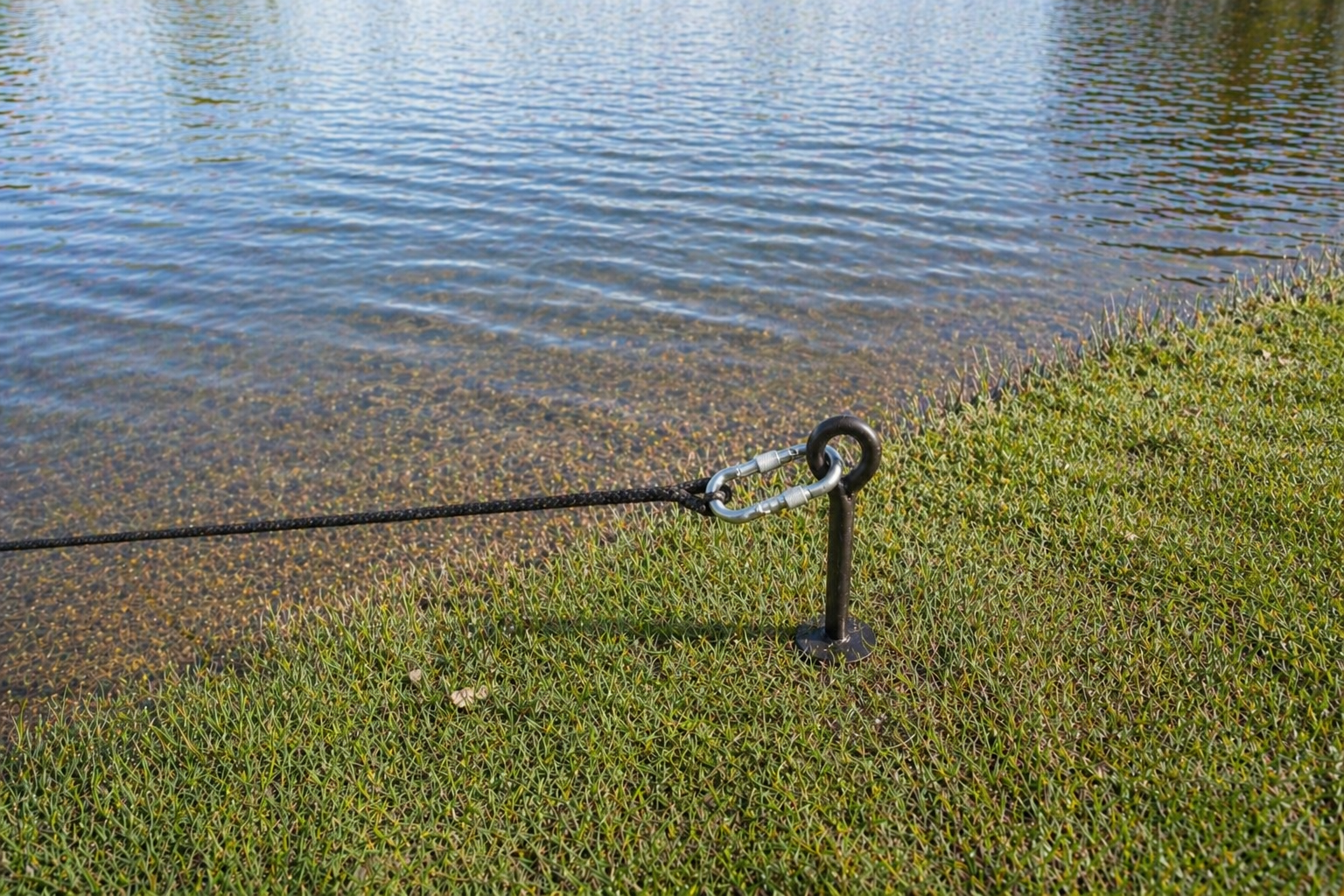
Anchor systems can shift over time due to environmental conditions.
- Strong winds (especially tall spray patterns)
- Soft or muddy pond bottoms
- Changing water levels
- Freeze/thaw cycles
- Sediment settling
Shoreline stakes may loosen gradually over time. Re-tension anchor lines evenly and reset any shifted anchor points if the fountain begins drifting or rotating.
If you’re unsure whether your anchoring layout is correct, see our step-by-step guide on how to anchor a floating pond fountain.
4. Monitor Water Level
Floating fountains require adequate depth for proper operation and motor cooling.
- Ensure pump remains fully submerged
- Confirm intake is not drawing air
- Adjust anchor lines if water level changes significantly
Water depth and overall pond size also influence how a fountain performs. If you’re unsure whether your fountain is properly matched to your pond’s size and depth, see our guide on What Size Pond Fountain Do I Need?
5. Inspect Power Cord and Electrical Protection
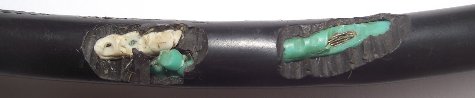
- Check exposed cord sections for cuts or abrasion
- Confirm GFCI has not tripped
- Ensure plug connections remain secure and dry
Repeated breaker trips should not be ignored and may indicate internal buildup or mechanical restriction.
6. Check for Mineral (Hard Water) Buildup
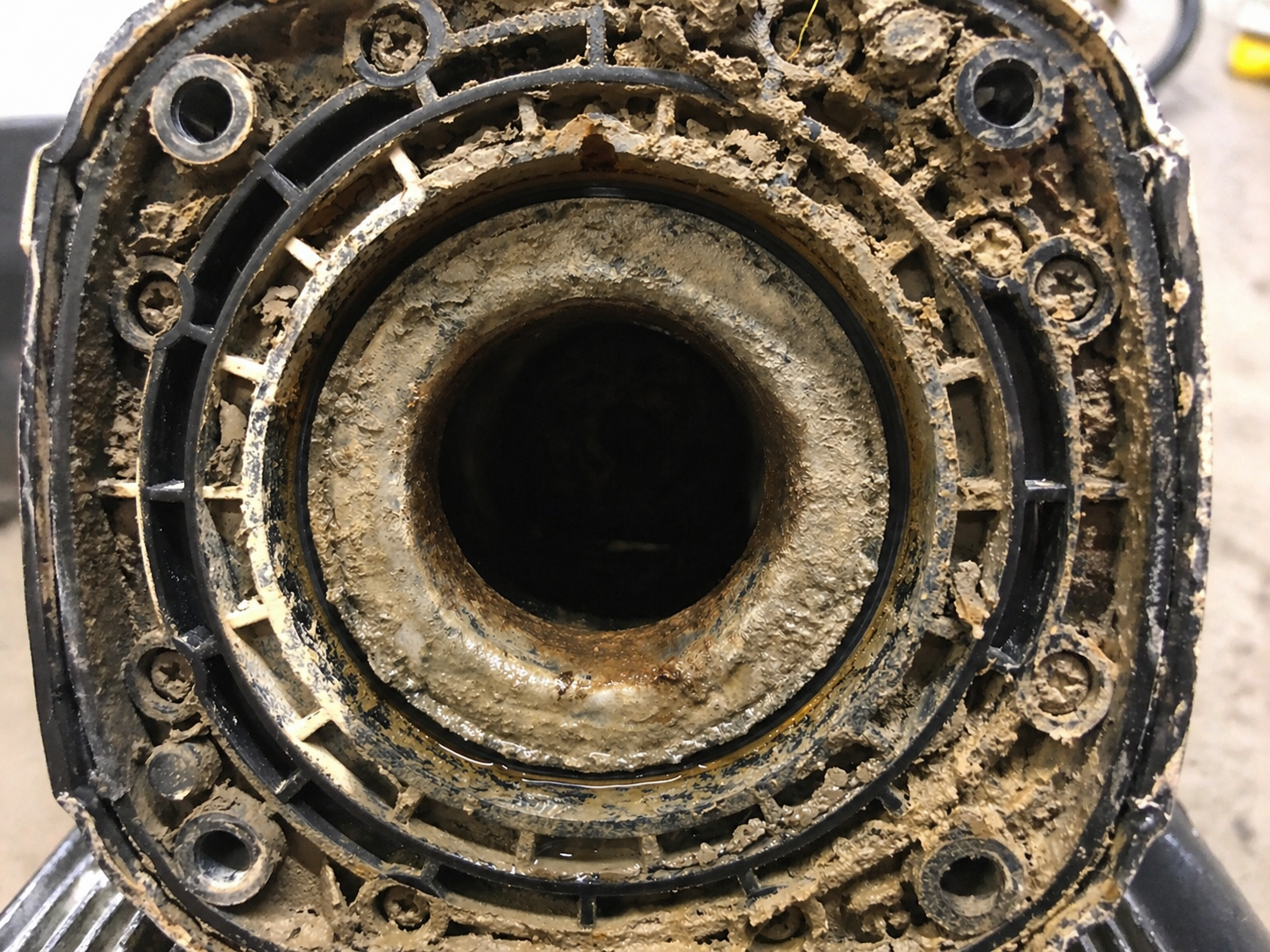
Some ponds naturally contain higher levels of dissolved minerals such as calcium and iron. Over time, these minerals can accumulate inside the pump housing and around the rotor assembly.
Ponds with higher mineral content may require internal cleaning every 1–3 months depending on conditions.
How Mineral Buildup Affects Performance
- Reduced spray height
- Restricted internal water flow
- Increased motor load
- Overheating
- Breaker trips in severe cases
If performance declines without visible intake blockage, or the breaker trips repeatedly, internal mineral scaling may be the cause.
RHP Fountain Internal Cleaning Recommendation
RHP fountain pumps are designed to be serviceable. If mineral buildup is suspected, remove the pump and inspect the rotor assembly.
For complete disassembly and cleaning instructions:
👉 Download the RHP Pump Cleaning Instructions (PDF)
Removing Heavy Mineral Deposits
If heavy scaling is present, soaking the pump in undiluted CLR (Calcium, Lime, Rust remover) for at least 24 hours can help dissolve mineral deposits.
- Submerge pump fully in a bucket of undiluted CLR
- Allow to soak at least 24 hours
- Use a soft brush to remove loosened buildup
- Rinse thoroughly with clean water
- Allow all components to dry before reconnecting power
Avoid abrasive tools that may damage internal components.
Nozzle and Intake Cleaning
Debris buildup is one of the most common causes of reduced spray performance.
When to Clean
- After heavy leaf fall
- During peak algae growth
- When spray height decreases
- If intake screen appears clogged
Basic Cleaning Steps
- Shut off power at the breaker.
- Remove fountain from water if necessary.
- Rinse nozzle thoroughly.
- Clean intake screen.
- Reinstall and restore power.
When reinstalling your fountain, ensure the pump is positioned in adequate water depth before pulling it toward the center of the pond. Dragging the unit through shallow water can allow mud and debris to enter the pump housing and cycle through the system at startup.
Seasonal Maintenance
Spring Startup Checklist
- Inspect cord and electrical connections
- Verify anchor placement
- Confirm proper water depth
- Clean intake screen before startup
- Test GFCI outlet
Mid-Season Inspection
- Inspect anchor tension
- Clean intake screen
- Check spray consistency
- Monitor mineral buildup
Fall Shutdown (If Removing for Winter)
- Turn off power.
- Remove fountain from pond.
- Clean thoroughly.
- Allow to dry completely.
- Store indoors in a dry area.
Winter Considerations (If Left Installed)
- Monitor ice movement around float
- Check anchor tension after freeze/thaw cycles
- Inspect electrical protection
Warning Signs That Require Immediate Shutdown
- Harsh grinding or mechanical noise
- Severe tilting
- Sudden dramatic spray loss
- Repeated breaker trips
- Major anchor failure
If abnormal mechanical noise occurs, shut the unit off immediately and inspect before further operation.
Replacement Parts & Service Support
If internal components show excessive wear or damage, replacement parts may be required. We carry a full selection of RHP fountain replacement parts, including rotors, seals, hardware, and service components.
Browse our complete Pond Fountain Parts & Accessories category to find compatible components or contact us if you need assistance identifying the correct part.
Frequently Asked Questions
How often should I clean my pond fountain?
Most fountains require basic inspection monthly and intake cleaning as needed. In ponds with high mineral content, internal cleaning may be required every 1–3 months.
Can hard water damage a pond fountain?
Yes. High mineral levels can cause scaling inside the pump, increasing motor load and potentially leading to breaker trips if not cleaned periodically.
Why does my pond fountain keep drifting?
Drifting is usually caused by uneven anchor tension, loose shoreline stakes, shifting bottom weights, strong wind, or changing water levels.
Should I remove my fountain in winter?
In colder climates, many pond owners remove fountains for winter storage. If left installed, monitor ice expansion and anchor stress throughout the season.
Still have questions?
Contact our pond fountain specialists →

The Fountain Guys
Pond fountain and aeration specialists since 1999.
Our Knowledge Center shares real-world installation,
maintenance, and troubleshooting advice.